Purpose
This document is intended to guide Teacher Educators (TEs) and Pre-Service Teachers (PSTs) in incorporating Lesson Study (LS) into Initial Teacher Education (ITE). In a context of teacher shortages across Europe, strengthening ITE quality in a sustainable way is critical: LS provides a collaborative framework that allows PSTs to grow professionally, develop their sense of self-efficacy and adapt their practice to focus on student learning. The Lesson Study in Future Teacher Education (LIFT) project builds on experimented LS models to empower PSTs through meaningful partnerships, offering different resources to promote high-quality ITE.
The purpose of this flipbook is to support TEs in using LS in ITE programs for all school levels. It is addressed to TEs at teacher education institutions and to school-based mentors or cooperating teachers who collaborate with ITE. It will also be of interest to PSTs participating in lesson studies.
What is Lesson Study?
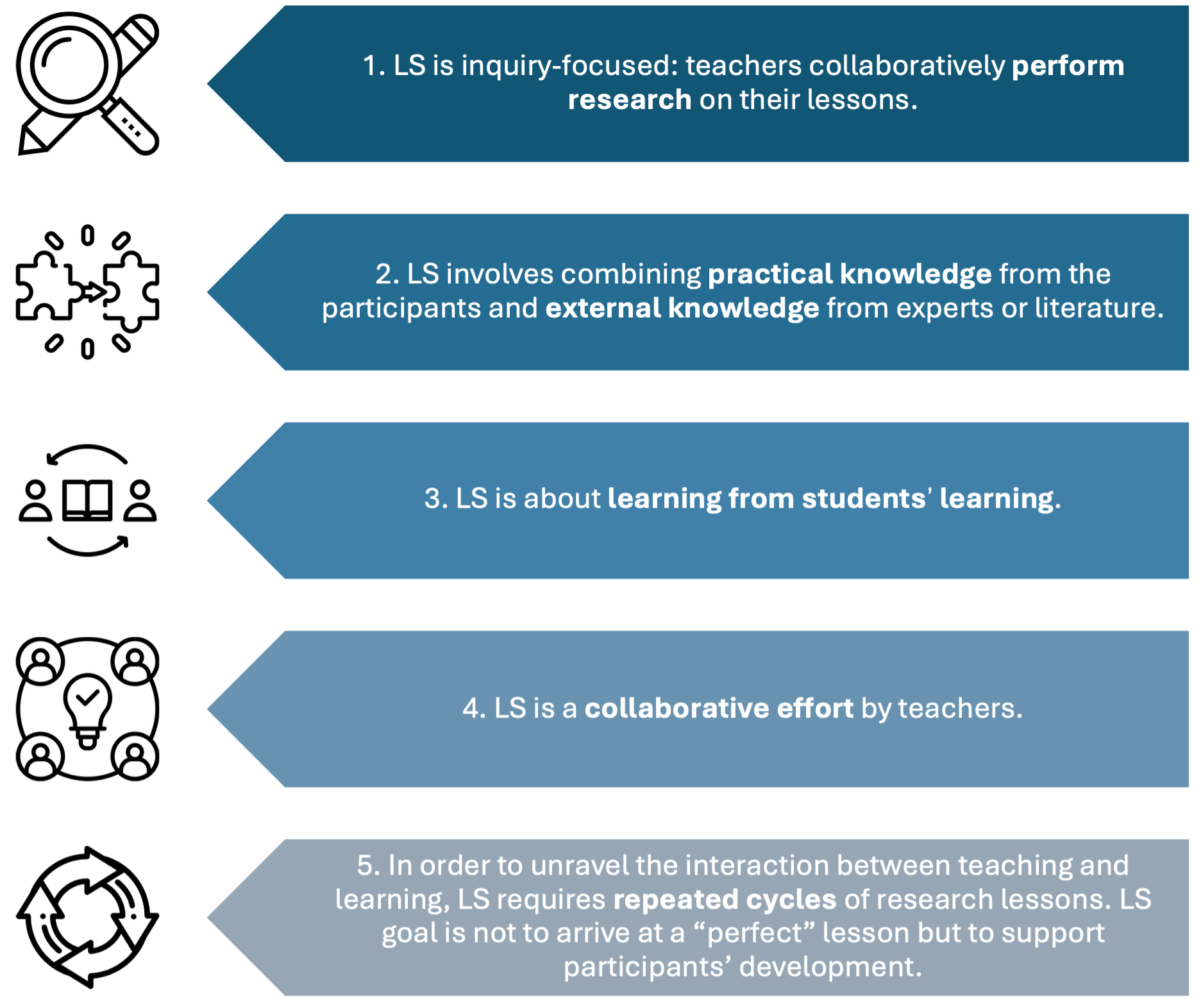
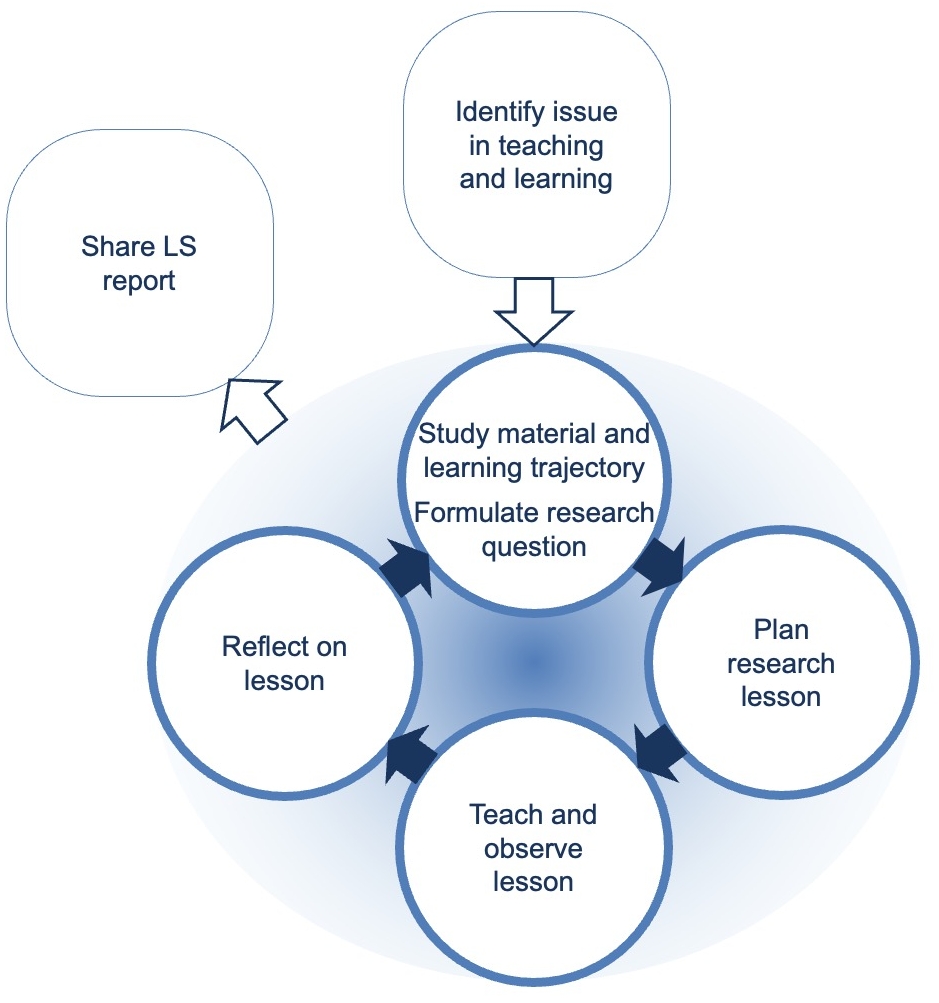
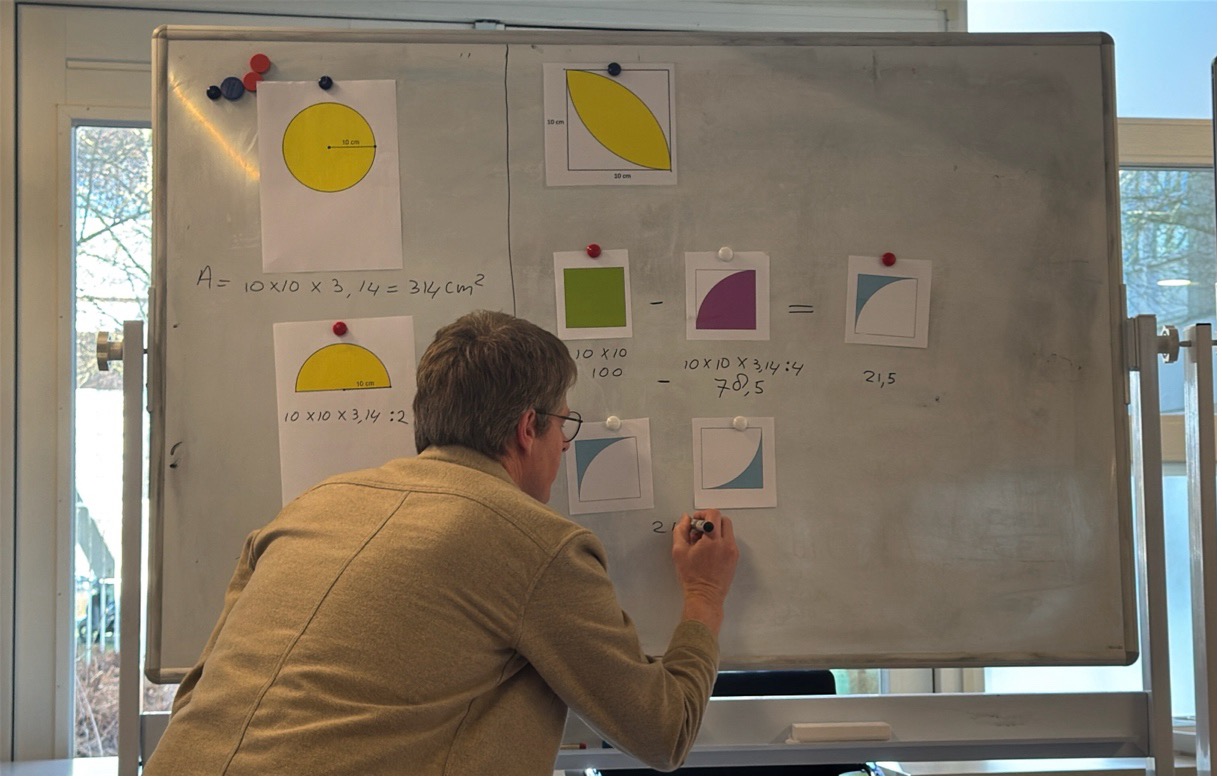
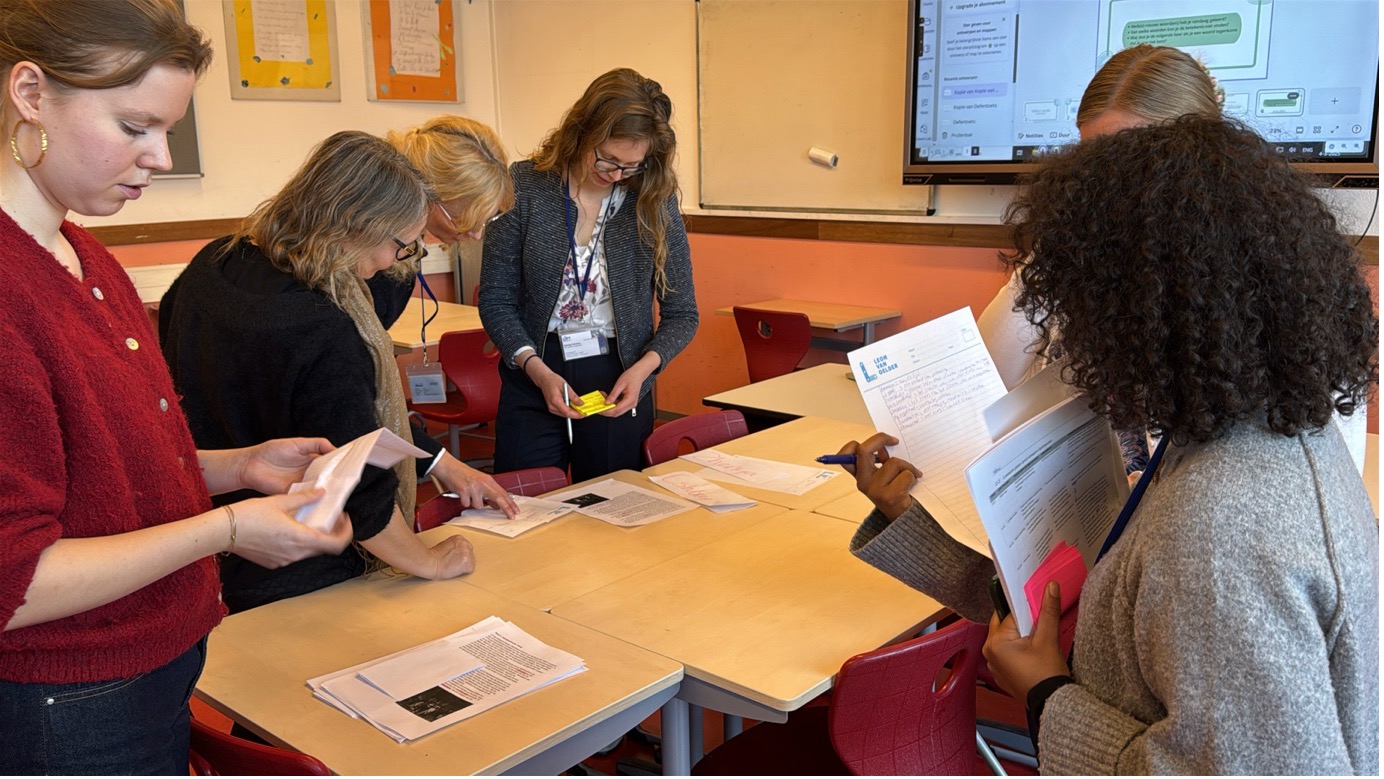
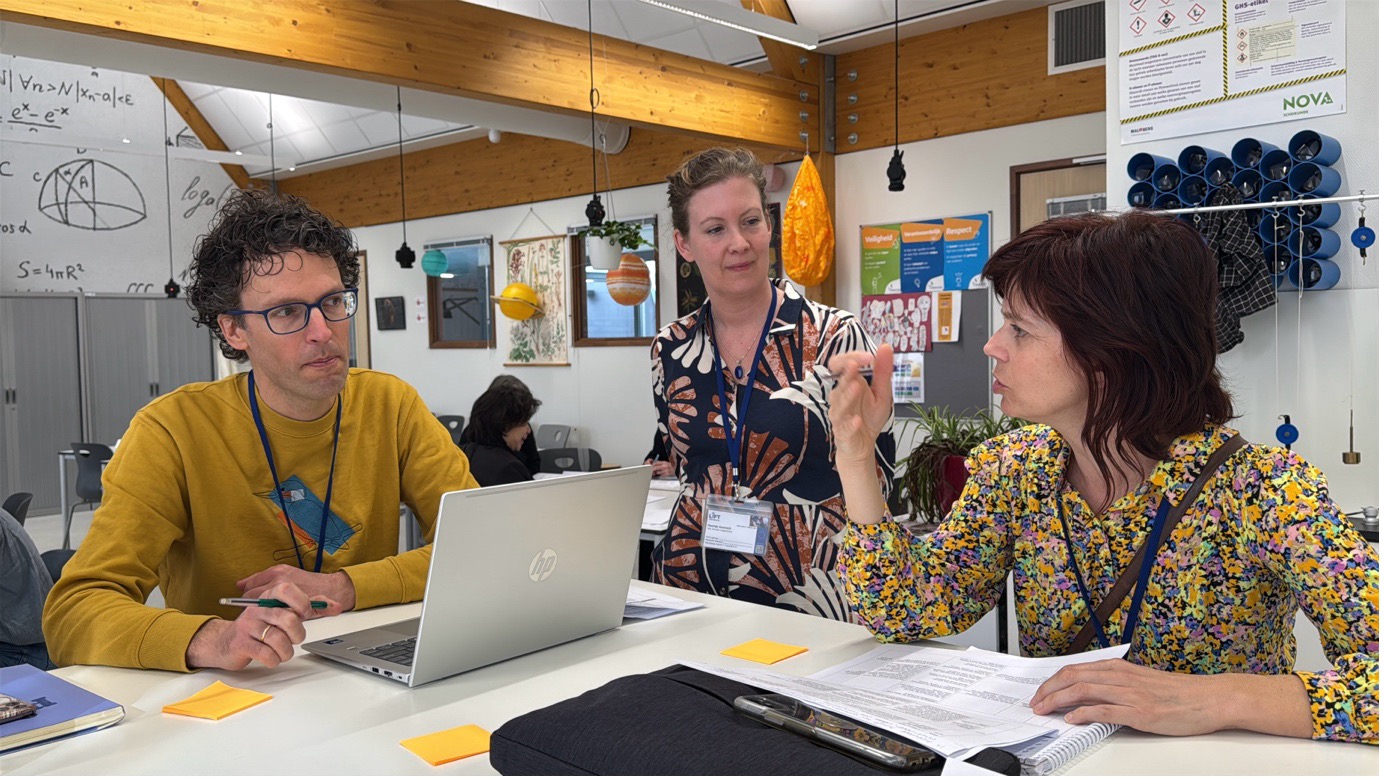
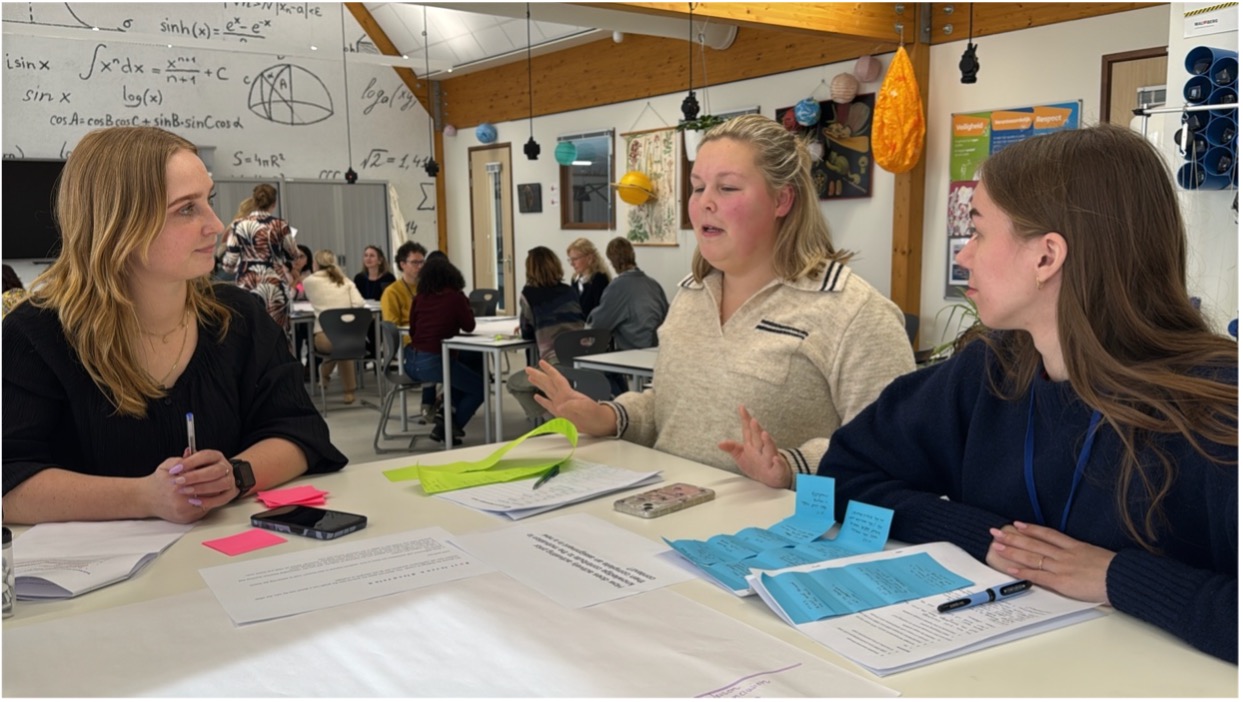
LS is a practice-based teacher education approach in which a group of participants – in ITE, PSTs and TEs – work together in preparing, enacting and reflecting on a lesson. The activity begins with the LS group identifying a research question, often based on a common learning challenge observed among school students. The group then collaboratively formulates the aim of the lesson in relation to this question, using it to guide planning and reflection throughout the LS cycle. Then, the activity proceeds by carrying out a study of curriculum materials, professional and research papers and other documents that address such difficulty and perhaps making a close diagnostic of students’ knowledge and difficulties. Then, based on this, the participants do a detailed planning of a lesson. This lesson, called the research lesson, is enacted by a member of the group and observed by the remaining members. Finally, considering the aims of the lesson, the group reflects on the observed students’ learning and provides suggestions for improvement in the lesson plan and in the way the lesson was enacted. This process typically spans six to eight working sessions, including the research lesson, and may require approximately 12 hours of collaborative work.
Why use Lesson Study in Initial Teacher Education?
The LS process can be considered in a systemic way, as it creates a community of learning with different interrelated layers. The school students are learning during the research lesson, and they should know that the goal of the observation is to improve teaching and their learning so that they feel part of the community of learning.
The preservice or in-service teachers participating in the LS acquire professional knowledge related to the effect of their teaching on students’ learning. Literature in this field shows that this learning may take various forms: better linking theory and practice, adopting a reflective and inquiry stance, developing collaborative skills, fostering teacher noticing, focusing on pupils and learning rather than on teaching, developing an attitude to anticipate pupils’ reasoning, deepening subject-matter knowledge and pedagogical content knowledge, as well as improving teaching skills such as precise language use and time management.
The process also helps TEs, researchers, textbook authors, and school administrators inquire into their own practice. Moreover, joint participation in the process, even if it is only in an open research lesson and the discussion surrounding it, strengthens connections between the different parts of the education system.
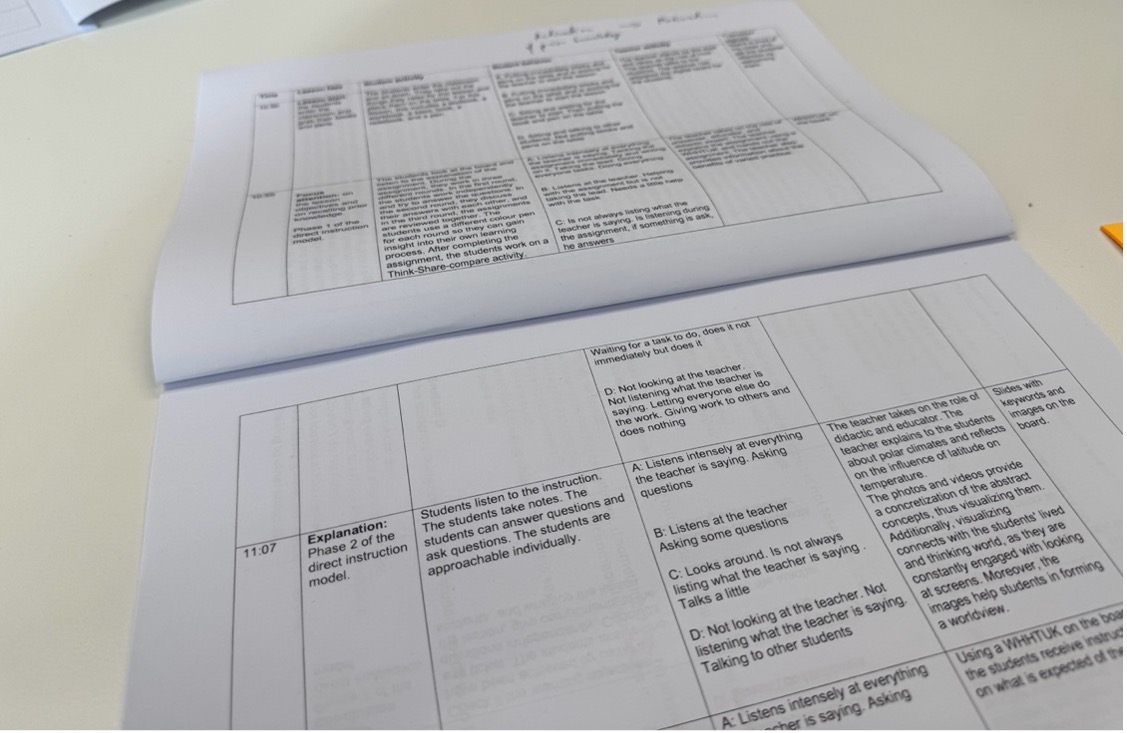
Supervision of planning, conducting lessons, and reflecting on students’ learning may sound familiar to TEs. The difference is in the complexity and the depth of the process, which requires Teacher Educators to carry it out in systematic steps that allow for “decomposition of practice” (Grossman et al., 2009). Both the preparatory work for the lesson plan and the lesson plan itself are developed in detail, with careful consideration of various tasks that could support the achievement of the established aim. The lesson plan may include:
i. the learning task(s)
ii. the lesson structure
iii. the teacher’s actions
iv. the anticipated students’ responses along with the strategies and difficulties for each part of the task, and
v. the formative evaluation of students’ learning.
In parallel, one may also prepare data collection instruments to support observation and analysis during the research lesson. The reflection of the lesson is done in a structured way based on actual observations and data regarding students’ learning collected by the teacher and the other participants.
LS in ITE has the ultimate goal of improving student learning, by contributing to the LS group members’ professional development. With their participation in LS, PSTs, TEs and school-based mentors gain insight into the learning process of school students in order to improve one’s own actions as a teacher in practice so that students can learn better. LS also reinforces the inquiry stance and the collaborative culture usually existing in ITE. It is specifically targeted at developing PSTs’ expertise in their pedagogical content knowledge (or didactical knowledge) and educational knowledge. It also promotes the reflective and collaborative skills of the participants, among PSTs and between PSTs and TEs.
Besides the general goal of developing didactical and educational knowledge, LS in ITE may also support more specific aims. These include exploring curricular approaches such as inquiry-based learning, preparing and leading whole-class discussions, using technology in the classroom, conducting inclusive education, and developing a relational practice perspective. The consideration of these more specific goals may justify increasing the number of sessions a bit.
What are the different ways to conduct Lesson Study in Initial Teacher Education?
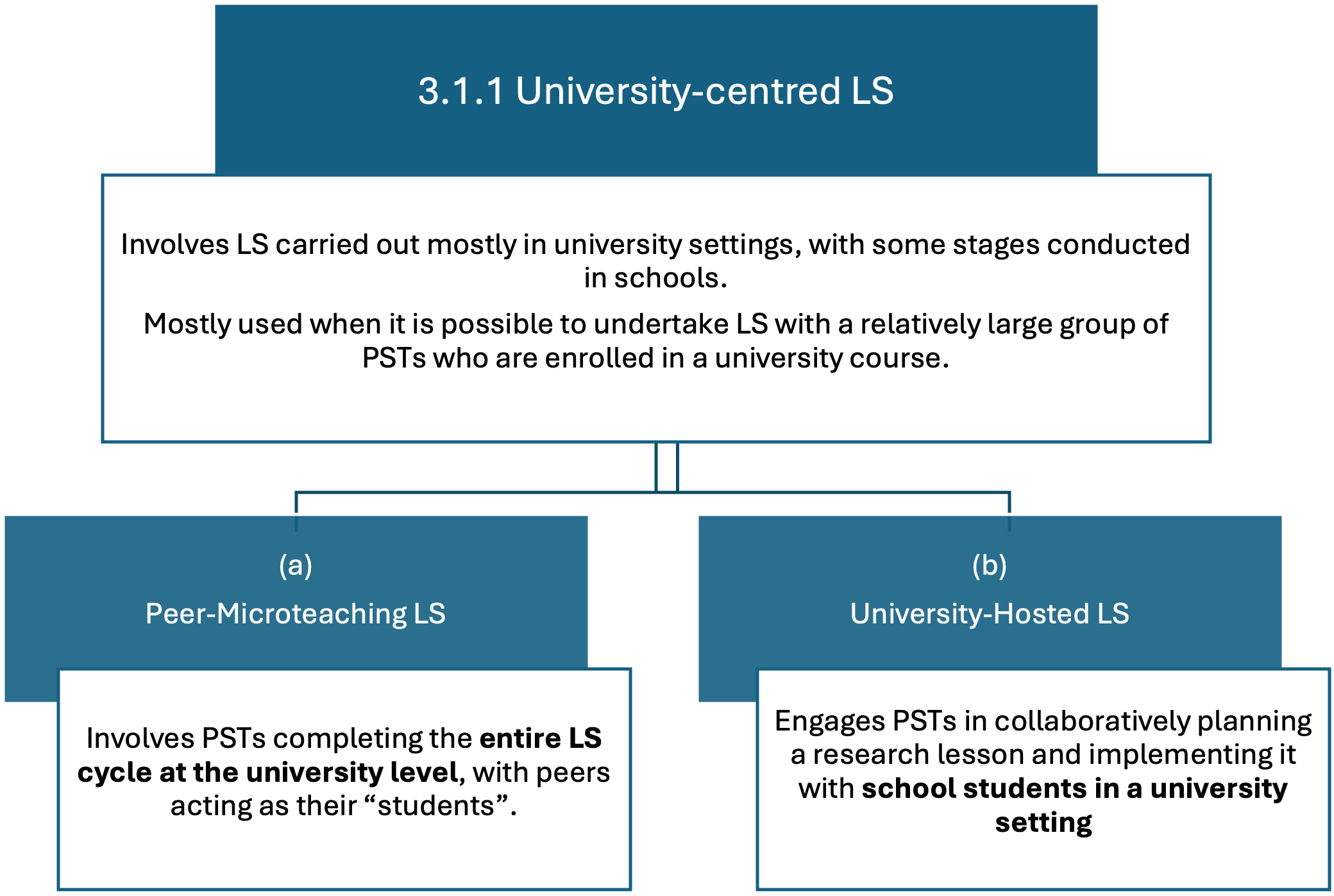
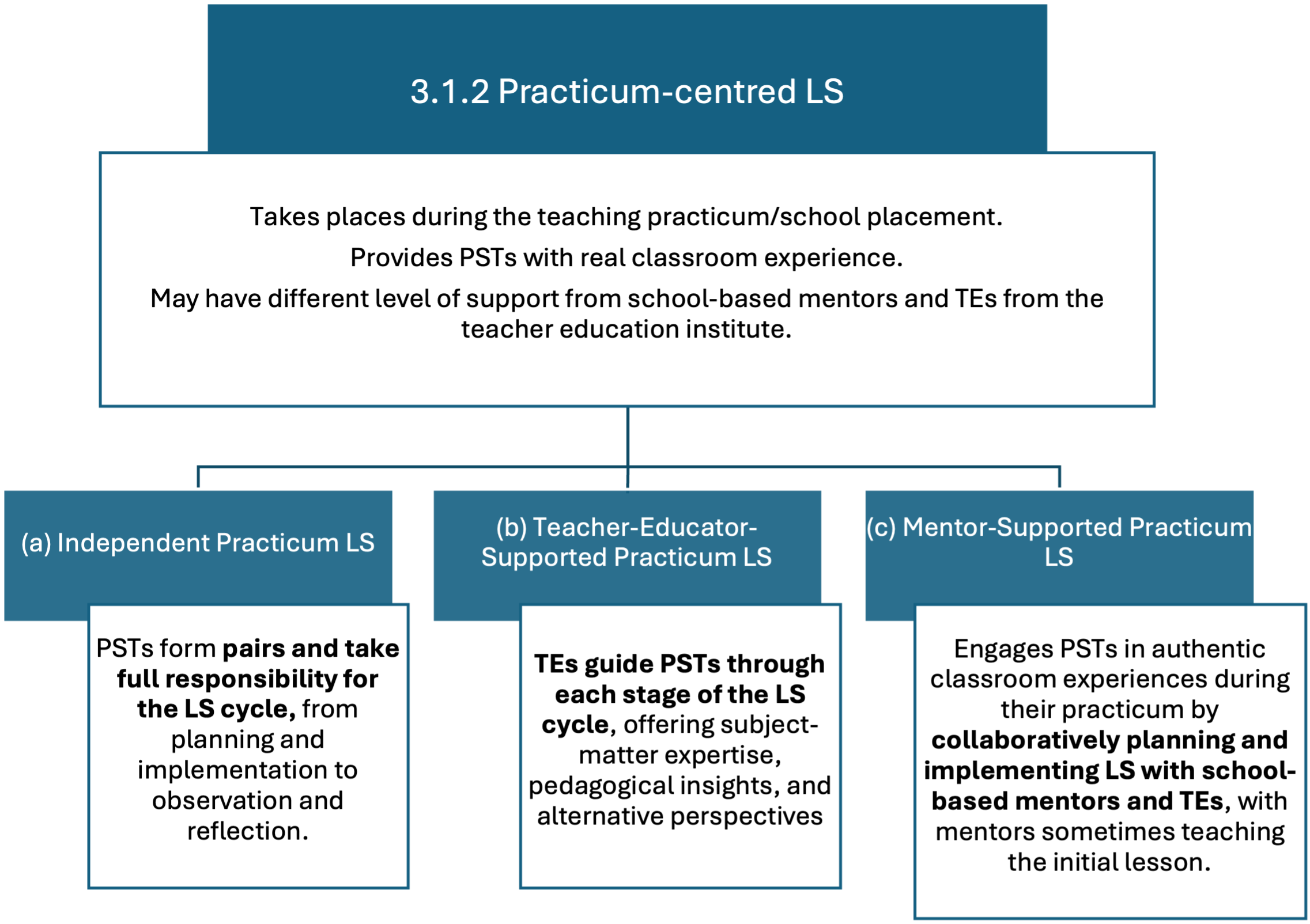
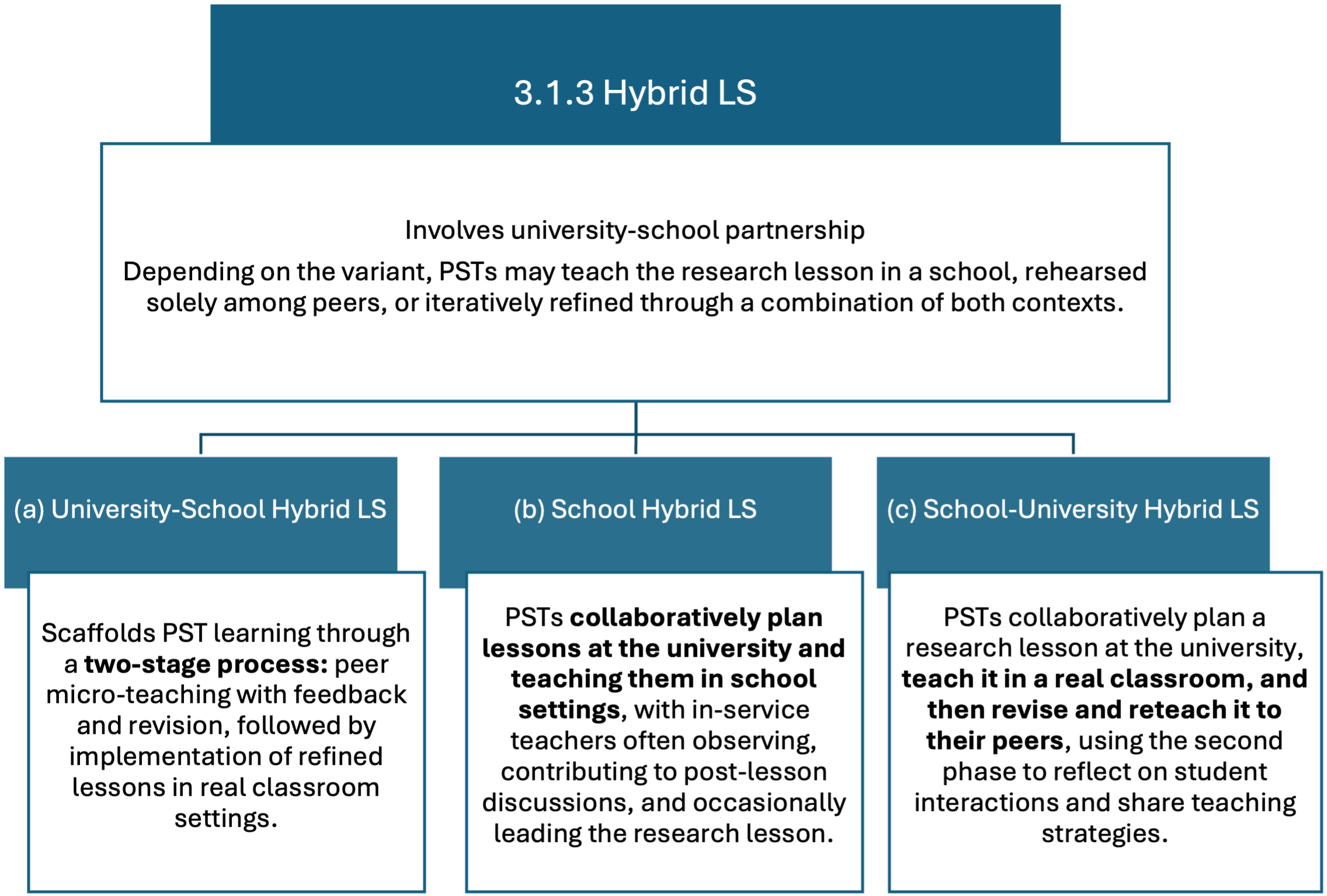
LS in ITE may be conducted in a variety of ways and with different PST groups. When PSTs are in their practicum, they may be working in isolation, in pairs, or small groups. Sometimes, it is possible to join PSTs working individually or in pairs in a small group of three or four. A small group with three or four PSTs preparing a common research lesson is a very good organisation to carry out LS, but this may be adapted to other arrangements LS can also be used within existing courses (methods or didactics, for instance), giving the TEs as well as the students a new window to look at their professional thinking and pupils’ learning. In that situation, depending on the number of students, one or more research lesson could be prepared and discussed. Adaptations are required though, and a good knowledge of LS is needed from the educators. The purpose of this flipbook is to help ITE stakeholders navigating the different possibilities and chose the best-fitting one to the context of the institution, while maintaining the fundamental characteristics and benefits of LS.


 PT-PT
PT-PT  NL
NL  FR
FR  ET
ET  EL
EL  DE
DE